The Center for Political Accountability and the Zicklin Center for Business Ethics Research at the University of Pennsylvania’s Wharton School rated 500 companies on their political activities. The study found most companies are reporting more of their activities—with some exceptions.
How do companies value the injured body parts of their workers?
Injured workers are entitled to compensation for permanent disabilities under state workers’ comp laws. Pro Publica investigated how companies in Texas and elsewhere value the injured body parts of their workers and here’s what they found.
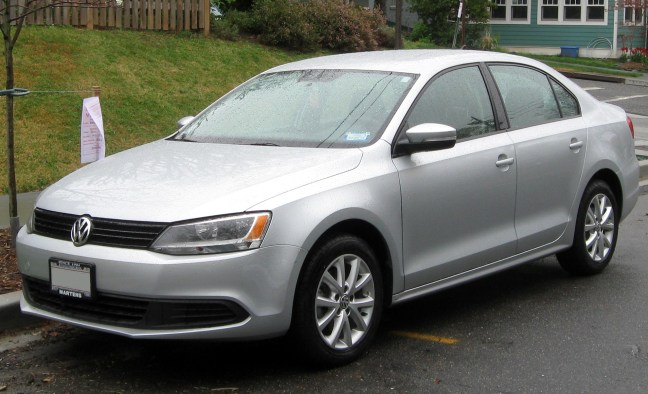
Why VW and Johnson & Johnson Crossed the Line: Towards a Theory of Corporate Law Breaking
By Nicholas Freudenberg, Founder, Corporations and Health Watch
Readers of Corporations and Health Watch are familiar with the argument that the corporate practices that harm health are for the most part perfectly legal. However, recent media coverage of the scandals at Volkswagen and Johnson & Johnson led me to ask why some businesses choose to break the law. In the first, documented thoroughly in Steven Brill’s 15 chapter “docuserial” America’s Most Admired Lawbreaker posted last month on the Huffington Post Highline, the drug and medical device maker Johnson and Johnson (J&J) promoted Risperdal, an antipsychotic drug approved by the FDA for treating schizophrenia to children and older people for a much wider set of indications than those approved by the FDA. In 2013, Johnson & Johnson agreed to pay more than $2.2 billion in criminal and civil fines to settle accusations that it improperly promoted Risperdal.

How US gun control compares to the rest of the world
If NRA claims about the efficacy of guns in reducing crime were true, the US would have the lowest homicide rate among industrialized nations instead of the highest rate. In The Conversation, John Donahue asks what the United States could learn about reducing gun violence from other nations in the world.
The government’s new dietary guidelines ignite a huge food industry backlash
It’s expected that the agriculture and food industry keeps a close eye on the federal government’s dietary guidelines every five years. But the 2015 guidelines, which are currently in preparation by the Departments of Agriculture and Health and Human Services for release by the end of the year, have triggered an especially ferocious backlash, writes Michael Hiltzig in the Los Angeles Times.
Health and Trade: what hope for SDG3?
Emma Woodford, Founder and Director, Health and Trade Network (HaT)
Cross posted from Health and Trade Network
“… the forces of power, particularly corporate power, are impatient with what is adequate for a coherent community. Because power gains so little from community in the short run, it does not hesitate to destroy community for the long run.” ― Wes Jackson, Becoming Native to This Place
In case you had been asleep for the last ten days, last week in New York the UN finally ratified the Sustainable Development Goals (SDGs) aiming to end poverty, protect the planet, and ensure prosperity for all.
Is Exxon the new tobacco?
From the late 1970s to the mid-80s, Exxon scientists worked at the cutting edge of climate change research, documents examined by Inside Climate News show. Exxon documents show that top corporate managers were aware of their scientists’ early conclusions about carbon dioxide’s impact on the climate. They reveal that scientists warned management that policy changes to address climate change might affect profitability.
Calls to toughen up Australia’s vehicle emissions legislation
Australia needs to improve lax fuel efficiency standards after the Volkswagen emissions scandal, reports The Guardian, or face the prospect of becoming a dumping ground for high-emissions vehicles, advocates have warned. Pressure is mounting on the federal government to tighten legislation governing vehicle emissions standards. Australia is the only advanced economy not to have limits on the amount of carbon dioxide vehicles can emit.
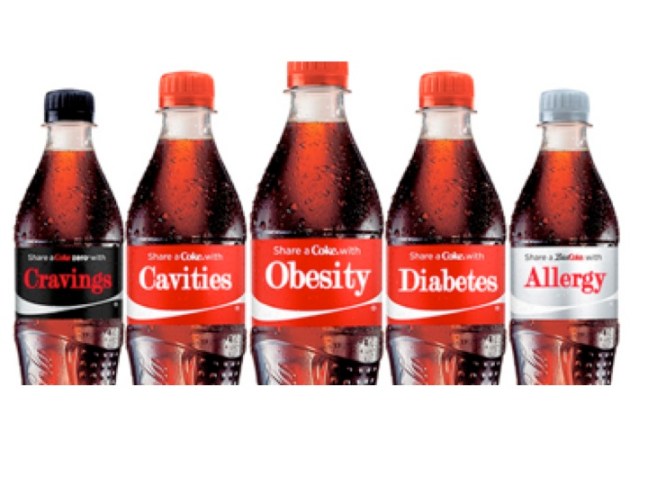
Coca Cola: what have they done for your community lately?
by Nicholas Freudenberg
Coca-Cola, the world’s largest maker of sugary beverages, has spent almost $120 million in the past five years to pay for academic health research, partnerships with major medical groups and community fitness programs aimed at curbing the obesity epidemic, reports the New York Times.
Continue reading Coca Cola: what have they done for your community lately?
Company will cut price of drug after accused gouging
Associated Press reports that the company that sparked an angry backlash after it raised the price of a drug for treating a deadly parasitic infection by more than 5,000 percent says it will roll back some of the increase. Turing Pharmaceuticals CEO Martin Shkreli that the new price would make Daraprim more accessible, although he did not say what the new price for the drug would be.
 Corporations and Health Watch