Coca Cola: what have they done for your community lately?

by Nicholas Freudenberg

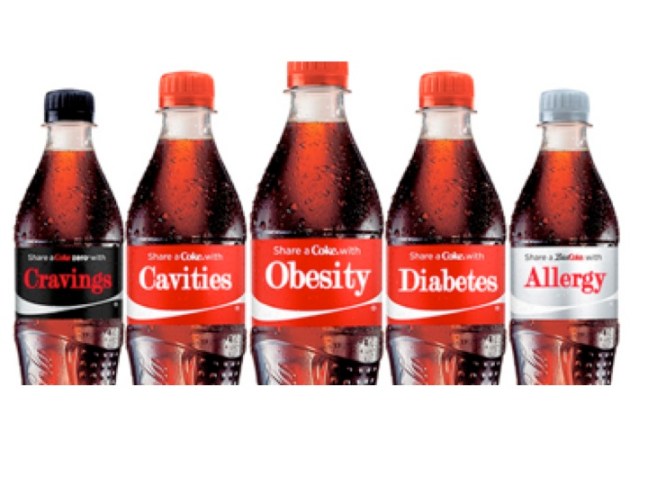
Coca-Cola, the world’s largest maker of sugary beverages, has spent almost $120 million in the past five years to pay for academic health research, partnerships with major medical groups and community fitness programs aimed at curbing the obesity epidemic, reports the New York Times.

Continue reading Coca Cola: what have they done for your community lately?

Hampton Creek targeted by USDA-controlled egg industry program

Michele Simon, Cross-posted from Eat Drink Politics

Hundreds of pages of disclosed communications from the American Egg Board reveal a coordinated two-year plan to undermine and attack Hampton Creek, the San Francisco-based food company, seen as a “threat” and “major crisis” to the egg industry.

AmericanEggBoard egg

Continue reading Hampton Creek targeted by USDA-controlled egg industry program

Selling science, selling soda: How Coca Cola buys credibility from universities

by Nicholas Freudenberg

Eight years ago, I wrote in CHW about how and why corporations buy scientists to advance their business goals.   Sadly, the problem continues. This week the New York Times published a story on how Coca Cola has funded researchers at the University of South Carolina, the University of Colorado and the West Virginia University to make the case that exercise, not reduced consumption of sugary beverages, is the solution to obesity. Coke has also funded the Global Energy Balance Network, a nonprofit network of the researchers it funds, to advance this argument more widely.

Continue reading Selling science, selling soda: How Coca Cola buys credibility from universities

Beach Reads on Corporate Skullduggery

August is a time for vacations and reading on the beach—or in an air-conditioned library. For those dedicated Corporations and Health Watch readers who can’t resist an opportunity to find out more about how corporations influence well-being, here are a few recent novels that provide additional insights into this process. For those who worry about the quality of the scientific evidence in these accounts, remember it was the public outrage generated by Upton Sinclair’s novel The Jungle that played a key role in creating the United State Food and Drug Administration in 1906.

Continue reading Beach Reads on Corporate Skullduggery

Taxes on tobacco, alcohol and sugar sweetened beverages: Linkages and lessons learned

A review of taxes on tobacco, alcohol and sugary beverages in Social Sciences and Medicine concludes that while “specific taxes based on the volume of beverages are likely to reduce the demand for SSBs, policy makers should also consider taxes on alcohol and SSBs that tax the dose of the alcohol and calories in order to create supply-side incentives for producers to lower alcohol and calorie levels in existing products or promote products with lower levels of alcohol and calories.”

Nestlé/Gerber again caught conning parents

Nestlé has been sued in California state court for shenanigans involving products of its Gerber division, reports Consumer Law and Policy Blog. Nestlé wants to grab the same parents who fed Gerber infant foods to their kids—and tap into their desire for healthier food. However, because it’s cheaper and easier to use fake fruits instead of real ones, Nestlé tarts up flour and sugar with flavors that taste like fruit but which provide none of their nutritional benefits.

The end of chicken?

by Michele Simon   @MicheleRSimon  and  Jamie Berger   @jamiecberger July 20th, 2015

Cross posted from Eat Drink Politics and Al Jazeera

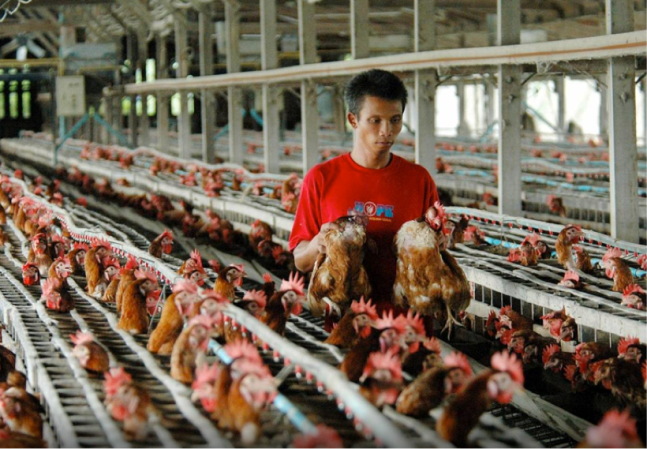
While the western United States is suffering from crippling drought, the Midwest is reeling from an unprecedented outbreak of avian flu, mostly among egg-laying chickens and other forms of poultry.

The numbers are staggering. According to the U.S. Department of Agriculture, 223 outbreaks in 15 states have been identified over the past six months, affecting more than 48 million birds, with more cases expected. The hardest-hit states, all of which have declared states of emergency, are Iowa, Minnesota, Nebraska and Wisconsin. About 11 percent of the nation’s egg-laying hens have been slaughtered out of fear that they might be infected.

Continue reading The end of chicken?

Interactive Map Documents Rising Tide of State Preemption

by Grassroots Change

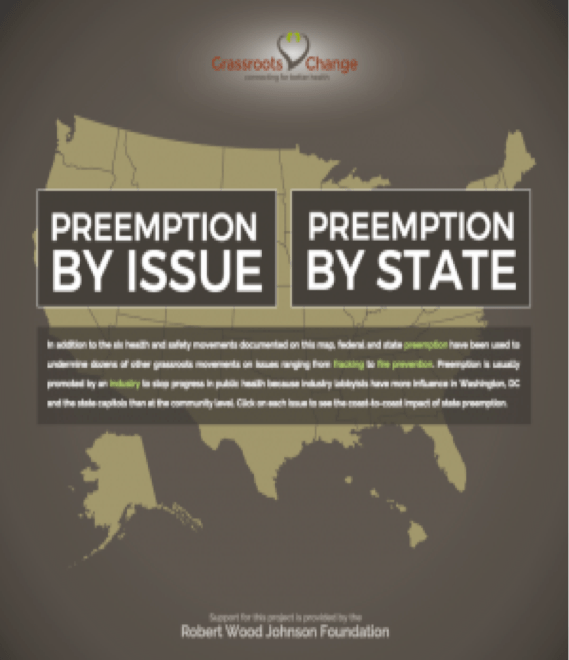
Since the 1980s, preemption has been used to undermine grassroots movements across public health issues including tobacco, nutrition, housing and gun violence. But over the last few years, opponents of public health have dramatically accelerated the use of preemption to hinder public health. From e-cigarettes to paid sick days, more and more communities are threatened with losing their ability to protect their own residents. This not only affects the community health and safety, but it can kill effective grassroots movements before they even start.

Continue reading Interactive Map Documents Rising Tide of State Preemption

Round Up of Recent Coverage on Monsanto’s Campaign to Block GMO Labelling

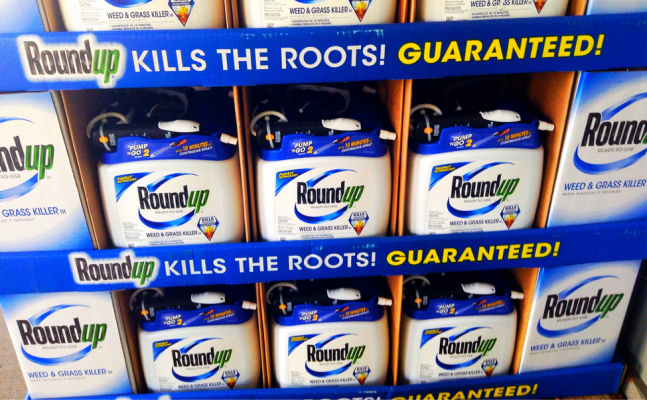
Monsanto, the world’s largest producer of genetically modified seeds and herbicides, is campaigning for a federal law to block state and local GMO labelling laws. Here are a few recent stories on the campaign and its response.

Continue reading Round Up of Recent Coverage on Monsanto’s Campaign to Block GMO Labelling