Why VW and Johnson & Johnson Crossed the Line: Towards a Theory of Corporate Law Breaking

By Nicholas Freudenberg, Founder, Corporations and Health Watch

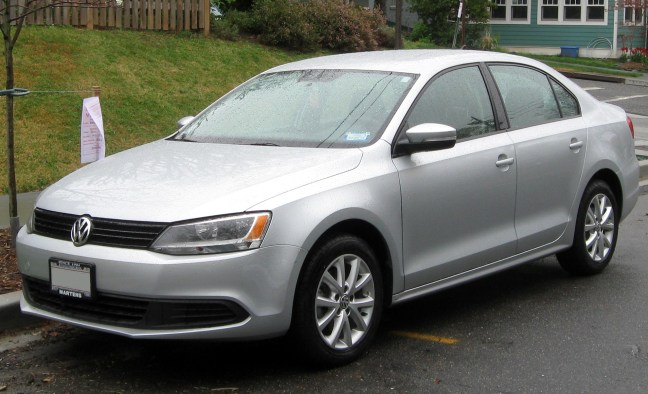
Readers of Corporations and Health Watch are familiar with the argument that the corporate practices that harm health are for the most part perfectly legal. However, recent media coverage of the scandals at Volkswagen and Johnson & Johnson led me to ask why some businesses choose to break the law. In the first, documented thoroughly in Steven Brill’s 15 chapter “docuserial” America’s Most Admired Lawbreaker posted last month on the Huffington Post Highline, the drug and medical device maker Johnson and Johnson (J&J) promoted Risperdal, an antipsychotic drug approved by the FDA for treating schizophrenia to children and older people for a much wider set of indications than those approved by the FDA. In 2013, Johnson & Johnson agreed to pay more than $2.2 billion in criminal and civil fines to settle accusations that it improperly promoted Risperdal.

Risperdal Continue reading Why VW and Johnson & Johnson Crossed the Line: Towards a Theory of Corporate Law Breaking

Is Exxon the new tobacco?

From the late 1970s to the mid-80s, Exxon scientists worked at the cutting edge of climate change research, documents examined by Inside Climate News show. Exxon documents show that top corporate managers were aware of their scientists’ early conclusions about carbon dioxide’s impact on the climate. They reveal that scientists warned management that policy changes to address climate change might affect profitability.

Calls to toughen up Australia’s vehicle emissions legislation

Australia needs to improve lax fuel efficiency standards after the Volkswagen emissions scandal, reports The Guardian, or face the prospect of becoming a dumping ground for high-emissions vehicles, advocates have warned. Pressure is mounting on the federal government to tighten legislation governing vehicle emissions standards. Australia is the only advanced economy not to have limits on the amount of carbon dioxide vehicles can emit.

Volkswagen CEO Martin Winterkorn Resigns Over Emissions Scandal

The Wall Street Journal reports that Volkswagen AG Chief Executive Martin Winterkorn resigned under pressure after the company admitted it cheated on U.S. emissions tests sparked massive losses of its market value and left it facing prosecution and potentially billions in fines. Winterkorn said he accepted responsibility for the irregularities but wasn’t aware of any wrongdoing on his part.

Ten automakers are sued in U.S. over ‘deadly’ keyless ignitions

Ten of the world’s biggest automakers were sued last week by U.S. consumers who claim they concealed the risks of carbon monoxide poisoning in more than 5 million vehicles equipped with keyless ignitions, leading to 13 deaths, reports The Associated Press. According to the complaint filed in federal court in Los Angeles, carbon monoxide is emitted when drivers leave their vehicles running after taking their electronic key fobs with them, under the mistaken belief that the engines will shut off.

U.S. Senate weighs highway bill with modest safety reforms

According to Automotive News, a six-year highway funding bill being considered by the U.S. Senate would provide a path for auto safety regulators to impose bigger fines on automakers that violate the law and take limited steps to address loopholes in the nation’s auto recall system, but it would stop short of some of the stricter measures sought by Democratic lawmakers.

Lawsuit Against General Motors Tests Attorney-Client Privilege

Last week, plaintiffs suing G.M. asked a Federal District Court to find that the company and its lawyers engaged in criminal or fraudulent activity by covering up the defect, reports the New York Times. That, the plaintiffs say, allows the court to lift the veil of confidentiality over their communications. This request presents a significant threat that could reveal even more embarrassing information about how the automaker’s lawyers dealt with the defect.