
When the Trump administration laid out a plan this year that would eventually allow cars to emit more pollution, reports The New York Times, automakers, the obvious winners from the proposal, balked. The changes, they said, went too far even for them.
But it turns out that there was a hidden beneficiary of the plan that was pushing for the changes all along: the nation’s oil industry.
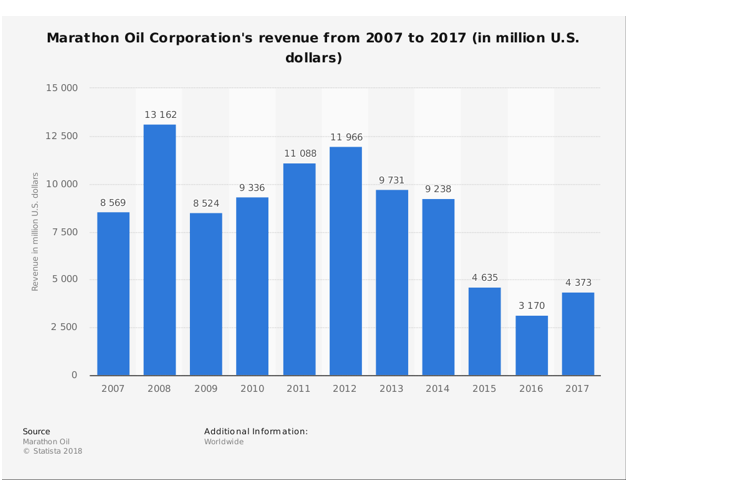
In Congress, on Facebook and in statehouses nationwide, Marathon Petroleum, the country’s largest refiner, worked with powerful oil-industry groups and a conservative policy network financed by the billionaire industrialist Charles G. Koch to run a stealth campaign to roll back car emissions standards, a New York Times investigation has found.
A report released at the First WHO Global Conference on Air Pollution and Health earlier this year found that air pollution – both ambient and household – is estimated to cause 7 million deaths per year, 5.6 million deaths are from noncommunicable diseases and 1.5 million from pneumonia. The wider economic impacts of premature deaths due to ambient air pollution amount to US$ 5.7 trillion in welfare losses, or 4.4% of the global Gross Domestic Product (GDP) in 2016. Motor vehicles are a primary cause of ambient pollution. The Trump-Marathon plan to allow more automobile pollution will increase this health and economic burden, as well as contribute to global warming.
 Corporations and Health Watch