A recent study in the European Respiratory Journal examined the role of auto pollution on chronic disease progression. Investigators estimated the burden of childhood asthma attributable to air pollution in 10 European cities by calculating the number of cases of asthma caused by near road traffic-related pollution and of acute asthma events related to urban air pollution levels. They concluded that pollutants along busy roads are responsible for a large and preventable share of chronic disease and related acute exacerbation in European urban areas.
New Study on Pharmaceutical Sales Representatives Finds Gaps in Patient Safety
A new study published online by the Journal of Internal General Medicine compared information provided by pharmaceutical sales representatives to primary care physicians in cities in Canada, France and the United States. “Minimally adequate safety information” did not differ in the US and Canadian sites, despite regulatory differences. In France, consistent with stricter standards, more harm information was provided. However, the authors found that in all sites, physicians were rarely informed about serious adverse events, raising questions about whether current approaches to regulation of sales representatives adequately protect patient health.
Google stops alcohol ads
Search engine operator and online marketing company Google has decided to stop advertisements of alcohol and alcoholic beverages in Finland from Tuesday, reported the Financial Times. The decision follows introduction of a new rule by Google in its advertisement policy that bans advertisement of alcoholic products. The ban will be also applicable in China, Poland, Vietnam, and South Korea. Google decided to ban advertisements of alcoholic products on its own volition, its product manager Sami Kankkuan said, adding that no country had directed them in this regard.
UN General Assembly approves Small Arms Trade Treaty
The New York Times reported last week that the United Nations General Assembly voted overwhelmingly to approve a pioneering treaty aimed at regulating the enormous global trade in conventional weapons, for the first time linking sales to the human rights records of the buyers. Although implementation is years away and there is no specific enforcement mechanism, proponents say the treaty would for the first time force sellers to consider how their customers will use the weapons and to make that information public. The goal is to curb the sale of weapons that kill tens of thousands of people every year.
Can BRICS chart new directions in public health?

Last week, the BRICS nations—Brazil, Russia, India, China and South Africa– met in Durban, South Africa, to create a new set of financial institutions designed to better meet their needs than the World Bank and the International Monetary Fund. They took steps to create their own credit rating agency and a BRICS Development Bank designed to fund infrastructure and sustainable development projects.
These new developments highlight the rapid growth of BRICS and their growing global influence. A recent report by the United Nations Development Program noted that “for the first time in 150 years, the combined output of the developing world’s three leading economies – Brazil, China and India – is about equal to the combined GDP of the long-standing industrial powers of the North”.
As BRICS nations develop, industrialize and urbanize, they are also becoming the world’s leading producers of chronic diseases and injuries – the by-products of the western model of consumption oriented economic growth. And here the question is will BRICS nations take a different path in public health than the western nations that have increasingly allowed market forces to set public health policy?
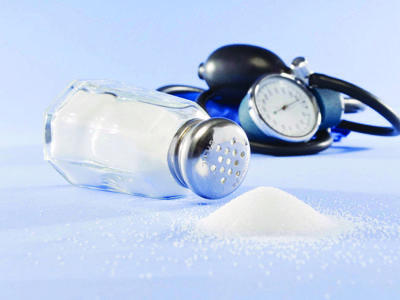
Two recent policy debates in South Africa illustrate the tensions. Last month, South Africa’s Department of Health announced new regulations designed to lower the salt (sodium) content of certain categories of food manufactured in South Africa. Research studies had shown that South Africans had higher salt intake than other populations. South Africans also have one of the highest rates of hypertension worldwide. An estimated 6.3 million people are believed to be living with high blood pressure in SA, making them more susceptible to life-threatening diseases like stroke and heart disease. Lowering the salt content in the foods most associated with salt intake was described as a cost effective measure to lower health care costs associated with NCDs. Initially, many major South African industries supported the new regulations, claiming it would create a more level playing field for all food companies. The Department of Health consulted extensively with food industry representatives and modified the regulations in response to industry suggestions.
Outside experts hailed South Africa for taking such concrete steps for reducing salt or sodium consumption. Professor Graham Macgregor, chairman of the World Action on Salt and Health (WASH) described South Africa as taking a “pioneering” role in salt reduction programmes. “Achieving a long and healthy life, free from disease,” he said, “is a right not just for South Africans but for everybody in the world. It is time that Western governments stopped being pressurised by their tobacco and food industry and follow South Africa’s example by setting specific targets for reducing non-communicable diseases (NCDs), including salt reduction to less than 5g a day, particularly in developing countries where the major burden of NCDs lies.”
But after the regulations were issued, the Consumer Goods Council, the trade association representing South African food manufacturers, changed its tune. In a statement, it said the Council was:
shocked and disappointed by the article regarding the salt reduction regulations. Following the process of policy promulgation(salt reduction), the CGCSA on behalf of its food members wrote to the Minister of Health on alternative approaches to ensure effective implementation of this initiative. The industry fully supports the goal of reducing salt in order to enhance public health. However, we are concerned that should these alternative measures not be taken into consideration, the impact of these good intentions will not be effective due to a number of reasons such as unrealistic timelines; lack of consumer education and cost implications as per the proposed draft regulations.
Some knowledgeable observers attributed the change in industry position to lobbying by multinational food companies, who feared that the South African regulations might set a precedent other countries would follow.
In another example of industry involvement in public health policy in South Africa, last week the government of Western Cape Province abruptly withdrew proposed regulations to restrict Sunday sales of alcohol only a few days before they were to go into effect. Western Cape Province is led by the Democratic Alliance, a political party that is regarded as more business friendly than the opposition African national Congress Party. Commenting on the apparent about-turn by the DA‚ the opposition party the African National Congress (ANC)‚ said the decision was a “political ploy by the DA after in realized that big business‚ its key constituency would be the hardest hit.” The ANC generally supported the by-law because alcohol abuse was a “serious problem in our communities”. South African Liquor Traders Association president Saint Madlala welcomed the decision on Thursday but said “they should not keep us in suspense‚ they should just scrap the whole idea” of restricting alcohol sales.
BRICS nations differ from each other politically and economically and face internal as well as external pressures to follow rather than guide market influences. But the Durban meeting showed the potential for emerging nations to chart new paths for sustainable development and human-oriented economic growth. In this context, the continued vulnerability of South Africa –and other BRICS nations- to corporate pressure to weaken public health protection shows that like Western nations, BRICS countries will need to find new ways to protect their people’s health from corporate interference.
Indian high court preserves access to low-cost medications
People in developing countries worldwide will continue to have access to low-cost copycat versions of drugs for diseases like H.I.V. and cancer, at least for a while, reports the New York Times. While advocates for the pharmaceutical industry argue that liberal rules on patents spur innovation, a growing number of countries are questioning why they should pay high prices for new drugs. Production of the generic drugs in India, the world’s biggest provider of cheap medicines, was ensured on Monday in a ruling by the Indian Supreme Court. Specifically, the decision allows Indian makers of generic drugs to continue making copycat versions of the drug Gleevec, used to treat forms of leukemia, which is made by Novartis. The ruling will also help India maintain its role as the world’s leading provider of inexpensive medicines. Gleevec, for example, can cost as much as $70,000 a year, while Indian generic versions cost about $2,500 a year.
EPA proposes new auto pollution standards
New standards for cleaner fuel and vehicles proposed last week will reduce air pollution and help prevent thousands of deaths and hospitalizations each year, the U.S. Environmental Protection Agency (EPA) says. The EPA’s proposals to slash emissions of harmful pollutants include reducing smog-forming volatile organic compounds and nitrogen oxides by 80 percent, reducing fuel vapor emissions to near zero and cutting vehicle emissions of toxic air pollutants by up to 40 percent. By 2030, the new regulations will help prevent up to 2,400 premature deaths, 23,000 cases of respiratory ailments in children, and 3,200 hospital admissions and asthma-related emergency room visits a year, the EPA estimates.
Not your grandfather’s cigar

A new generation of cheap and sweet cigars threatens a new generation of kids
This is the EXECUTIVE SUMMARY of a report released by the Campaign for Tobacco Free Kids. The full report can be accessed here.

An explosion of cheap, flavored cigars in recent years has driven a two-fold increase in annual sales of cigars in the United States – from 6 billion cigars to more than 13 billion in the last 12 years – and changed the demographics of cigar smoking. Cheap, flavored, small cigars that appeal to young people are marketed aggressively and have resulted in high school kids and young adults being twice as likely as their older counterparts to be cigar smokers. These trends come at a time when some in Congress want to prohibit the Food and Drug Administration (FDA) from regulating certain kinds of cigars rather than pushing it to do so. A 2009 federal law, the Family Smoking Prevention and Tobacco Control Act (the Tobacco Control Act), gave the FDA immediate authority to regulate cigarettes, smokeless tobacco, and roll-your-own tobacco, and authorized the agency to extend its jurisdiction to all other tobacco products, including cigars. The FDA has announced its intention to do so, but has yet to act.
In the absence of FDA regulation of cigars, cigarette manufacturers have manipulated some cigarette brands to qualify as small or even large cigars. By doing so, they have evaded a ban on flavored cigarettes and other regulations intended to prevent kids from using tobacco products and protect public health. In addition, to avoid higher federal taxes and keep their products cheap, some cigarette and small cigar manufacturers have manipulated the weight of their products to qualify for lower tax rates charged on large cigars. Both actions make these manipulated products more appealing and more affordable to our nation’s kids. This report documents how the proliferation of new cigar products and their marketing has changed the market in ways that threaten our kids and establishes the need for common-sense regulation of cigars. It also explains how tobacco tax policy should be reformed to help prevent kids from falling prey to the lure of cheap, sweet cigars.
The Cigar Landscape
- Cigars today are no longer the “big stogies” that our grandfathers used to smoke. Instead, the cigar category consists of products that vary widely in sizes, shapes, flavors, and price points, making them appealing to a broader audience, including kids.
- The common terms used to describe today’s products – “premium cigars,” “cigarillos,” “blunts,” and “little” or “small cigars” – are not mutually exclusive because there is a lot of overlap in the characteristics of different products that allow some to fall in multiple, or in between, categories
- Annual cigar sales have more than doubled in the past decade. This has been driven by a dramatic increase in the number and types of small cigar products that are flavored, packaged, placed, promoted, and priced to appeal to young people.
- High school students are about twice as likely (13.1 percent v. 6.6 percent) as adults to report smoking a cigar in the past month, and young adults (18-24 year olds) are even more likely (15.9 percent) to do so. Every state that reports cigar use data for youth shows a higher cigar smoking rate for high school kids than for adults.
- Each day, about 3,050 kids under age 18 try cigar smoking for the first time – compared to about 3,650 who try cigarettes. In at least six states – Florida, Georgia, Maryland, Massachusetts, Rhode Island, and Wisconsin – youth cigar smoking now equals or surpasses cigarette smoking.
- Flavored cigars are the most popular among youth and young adults. One state survey showed that nearly three-fourths of its high school cigar smokers smoked flavored cigars.
- Today’s cigar market is dominated not by large, traditional cigars hand-rolled in whole tobacco leaf, but by an ever-expanding variety of products of all sizes that include filters, flavors and names (e.g. “Da Bomb Blueberry,” “Pinkberry”) with obvious appeal to kids.
- The most popular cigar brands among youth come in a dizzying array of candy and fruit flavors that underscore how different these products are from your grandfather’s cigar. Swisher Sweets flavors include peach, strawberry, chocolate, grape, and blueberry. White Owl flavors include grape, strawberry, wild apple, pineapple, peach, and watermelon.
- A lack of regulation of cigars by the FDA enables manufacturers to modify cigarettes to evade the ban on flavored cigarettes and to aggressively market cheap, sweet cigar products that appeal to youth. In addition to being flavored and packaged attractively, they are displayed prominently and sold cheaply.
- Between 2001 and 2008, the sale of cigars increased by 87 percent. However, that was driven almost entirely by the sale of small cigars, which increased by 158 percent, while large cigar sales increased by only 46 percent.
- Cigar sales continued to increase between 2008 and 2011. While technically this appears to be driven by an increase in sales of cigars classified as “large,” in actuality it was because small cigar makers slightly increased the weight of their products to meet the definition of large cigars and avoid a higher federal tax on small cigars implemented in 2009 (these “large cigars” continue to be of similar size and shape as cigarettes). Other data sources show that sales of so-called premium large cigars actually declined during this time period.
Health Harms from Cigars
- According to the National Cancer Institute and the U.S. Surgeon General, regular cigar smoking causes cancer, heart disease, and chronic obstructive pulmonary disease (COPD).
- Cigar smoke contains the same toxins as cigarette smoke. Any difference in risks between cigars and cigarettes is likely attributable to differences in frequency of use and the fact that not all cigar smokers inhale. However, many new cigar products are more like cigarettes and therefore are more easily smoked and inhaled like cigarettes.
- Cheap, sweet cigars can serve as an entry product for kids to a lifetime of smoking.
Manipulation to Avoid Regulation and Taxation
- In recent years, tobacco companies have manipulated their products to avoid regulation and taxation. Federal and state laws distinguish between cigarettes and cigars based on the composition of the wrapper and the weight of the product, while the distinction between small and large cigars is determined by weight.
- To circumvent the FDA’s ban on fruit- and candy-flavored cigarettes that appealed to kids, some cigarette makers have added tobacco to the wrapper and weight to their products so they meet the definition of small or large cigars, despite still being sold in packs of 20 like cigarettes. These products come in various flavors including wild berry, “Pinkberry,” and lemonade.
- In addition to avoiding the ban on flavorings, these manipulated cigarettes have also escaped other FDA regulations, including a ban on deceptive terms like “light” and “low-tar” and a requirement that cigarettes be kept behind the counter and out of reach of kids.
- Some small cigars and cigarettes have added weight to their products to meet the legal definition of large cigars. As a result, they not only avoid the flavor ban, but are taxed at a lower rate. Some of these “large cigars” are still sold with 20 in a pack and with prices as low as 88 cents per pack.
The Need for Regulation of Cigars
- The Tobacco Control Act gave the FDA’s Center for Tobacco Products the authority to regulate all tobacco products. It gave immediate jurisdiction to the Center to regulate cigarettes, smokeless tobacco, and roll-your-own (RYO) cigarette tobacco and established specific regulations for each (e.g., bans on flavored cigarettes and deceptive terms like “light” and “low-tar”).
- The Tobacco Control Act also gave the FDA the authority to assert its jurisdiction over all tobacco products through a rule-making process. The FDA has announced its intention to regulate all tobacco products, but has yet to take action to do so.
- The law gives the FDA flexibility to determine what specific regulations to apply to each type of tobacco product. The FDA would not be required to impose the same regulations over cigars as cigarettes or to regulate all types of cigars in the same way. The agency would base its regulations on what is necessary to best protect the public health, taking into account the harms caused by different products, who uses the products, how the products are marketed, and other evidence-based criteria.
- Given their success in marketing their products to kids and young adults, it is not surprising that some in the cigar industry are aggressively pressuring Congress to exempt them from any regulation by the FDA. No tobacco product should be exempt from regulation. The FDA should be able to take actions to protect children and consumers from the harms caused by every tobacco product. Consumers should be informed about the contents and health consequences of all tobacco products, and the FDA should be able to prevent practices that appeal to kids, mislead consumers, and/or increase the addictiveness or harm of tobacco use.
- While supporters say these bills would exempt only so-called premium large cigars, their definitions could exempt some machine-made cigars from FDA oversight and would not prohibit flavored cigars from qualifying for an exemption. The bill also would create incentives for tobacco companies to further manipulate their products to escape regulation, as they have done in the past.
China imposes strict fuel economy standards on automobile industry
China imposed stringent new fuel economy standards, reports Reuters, imposing new burdens on cash-strapped domestic auto makers in China but promising easier breathing and less respiratory disease for the people of China.
New Access to Nutrition Index rates food companies
The first edition of the global Access to Nutrition Index (ATNI) report and rankings was released recently, reports Triple Pundit. The good news is that finally we have the metrics to evaluate how these companies address challenging nutritional issues, the bad news is that most of them perform quite poorly. When almost all of the top 10 pupils in your class get an F grade, it’s usually due to one of two causes – either the test you gave is not fair, or there’s something very wrong with this class. Read more to find the answer in this case.
 Corporations and Health Watch