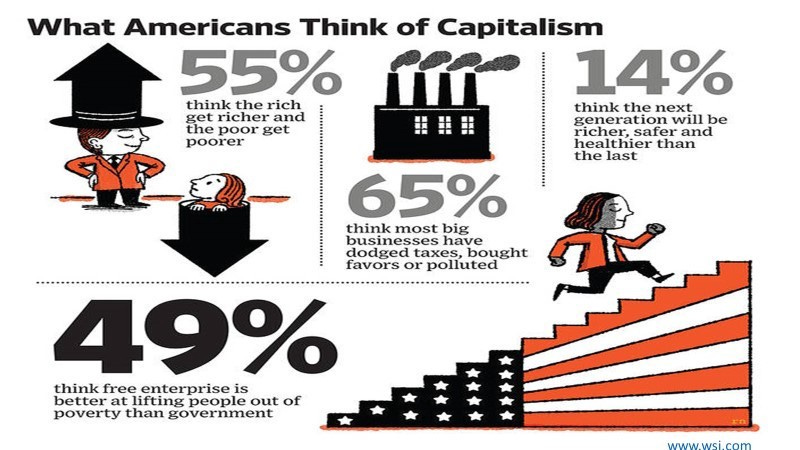
A cascade of health crises—from the covid-19 pandemic to our climate emergency, and a rise in “deaths of despair”—are contributing to growing global health burdens, making this the time for health professionals to seek the common causes of these catastrophes. Despite the influence of dominant political and economic structures and health, health professionals are often reluctant to use the word capitalism when analyzing the world’s current health problems and proposing solutions. Is now the time for public health researchers, professionals , and activists to focus our attention on the role of 21st century capitalism in creating these crises, asks Nicholas Freudenberg in a BMJ First Opinion post? Read more.
Time for Public Health to talk About Capitalism?

 Corporations and Health Watch